A collection of great stories that teach, inform, and inspire millions of readers.
Exclusively authored by academics. Trusted by scholars and classrooms.

Most read this month

Trending

Active discussions
ANCIENT HISTORY
View All Posts
One of the ancient world’s deadliest women, Locusta of Gaul was a career assassin.
Many believe it was Caesar who brought the Roman Republic to an end; however, the Republic was actually a victim of its own success.
Sign up to our Free Weekly Newsletter
HISTORY
View All Posts
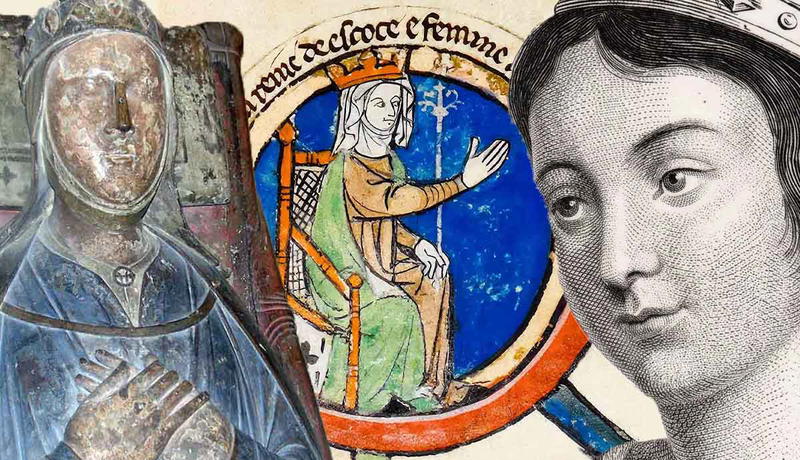
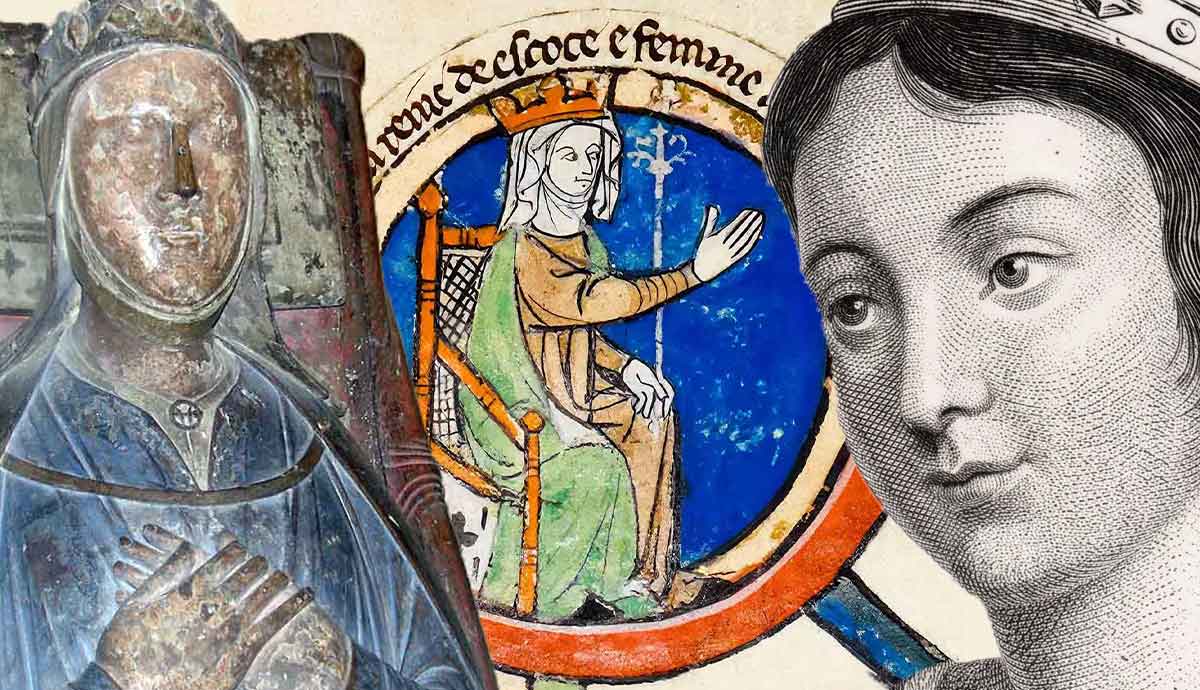
These five medieval queens influenced the English throne through diplomacy and war despite being frequently omitted from the standard historical record.
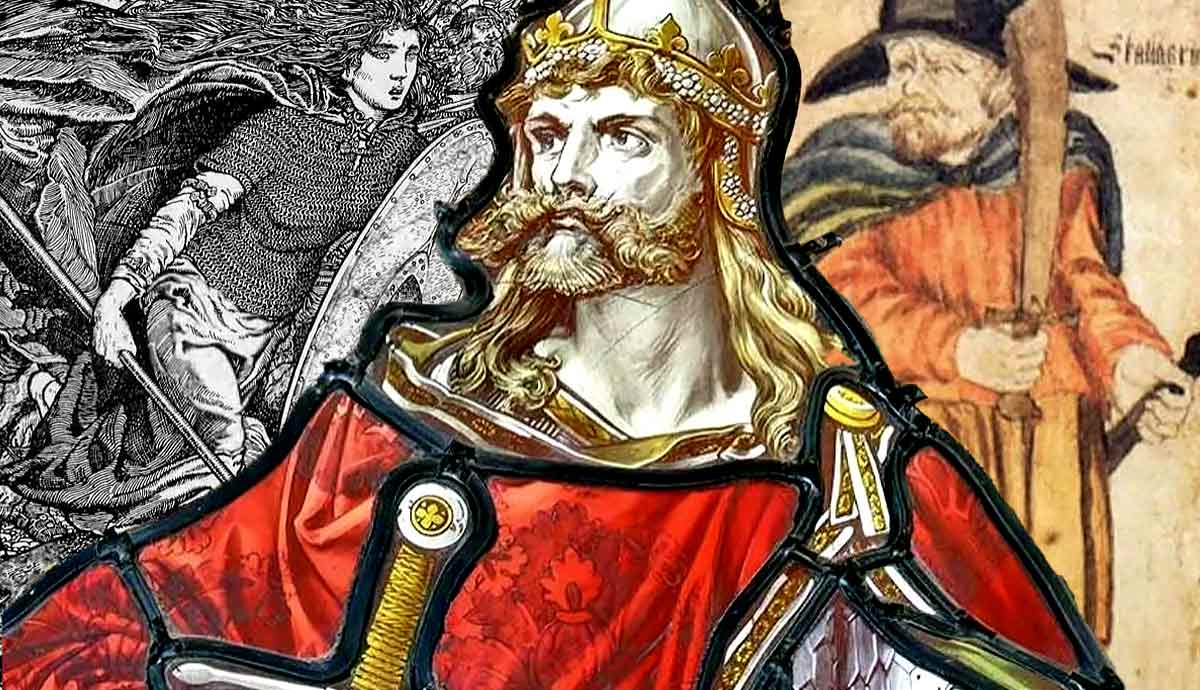
While Viking history is full of fascinating figures, these 15 warriors and shieldmaidens defined what it was to be a Viking in the Viking age.
PHILOSOPHY
View All Posts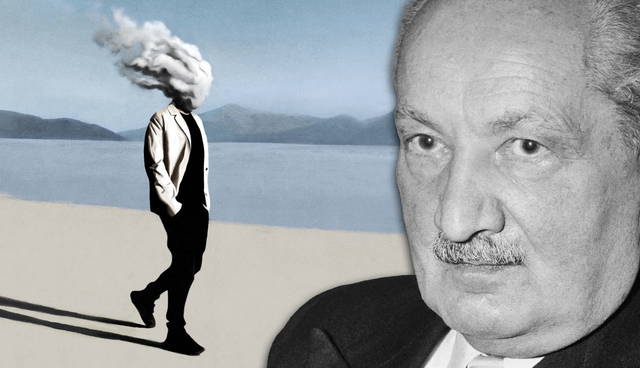
Heidegger warned that technology turns humans into a standing reserve. The Kyoto School's Zen-inflected response offers a genuine philosophical cure for burnout.

Nishida Kitarō, founder of the Kyoto School, offers three Zen-inflected philosophical lessons for facing existential dread without falling into despair.
ART & ARTISTS
View All Posts
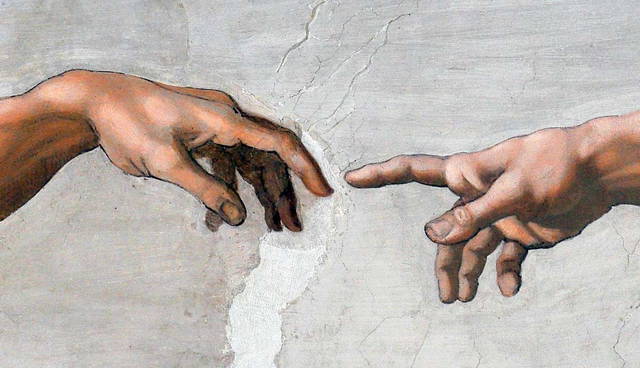
Michelangelo’s Creation of Adam is an iconic image of Renaissance art that captures the divine moment of the beginning of life.
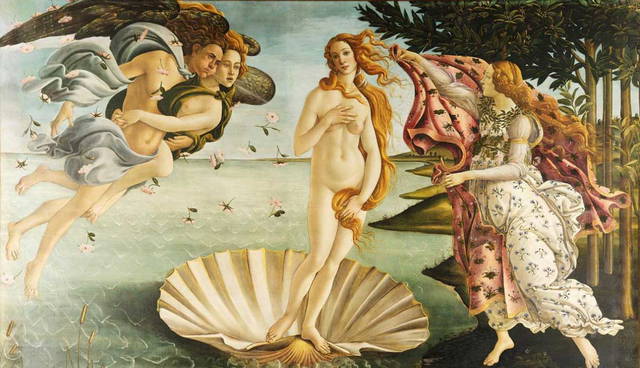
Sandro Botticelli’s Birth of Venus is not only a masterpiece of Renaissance painting but also a visual synthesis of myth, philosophy, and beauty.
TRAVEL & CULTURE
View All Posts
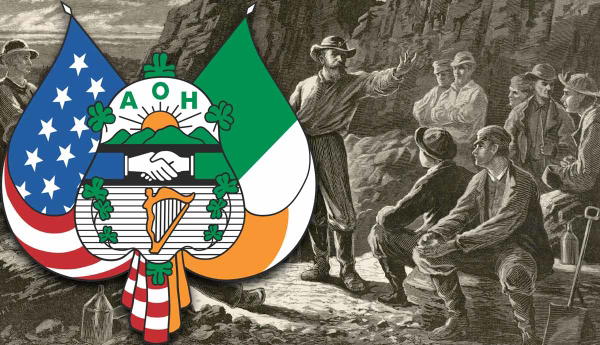
From purple parrots to pink lions and dazzling displays of rich color, some of the world’s flags are vibrant and ignore all the rules!
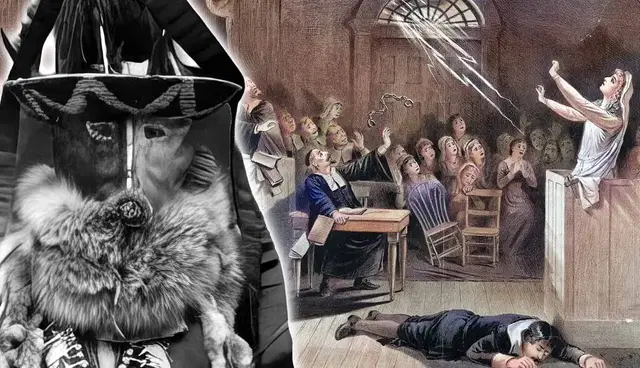
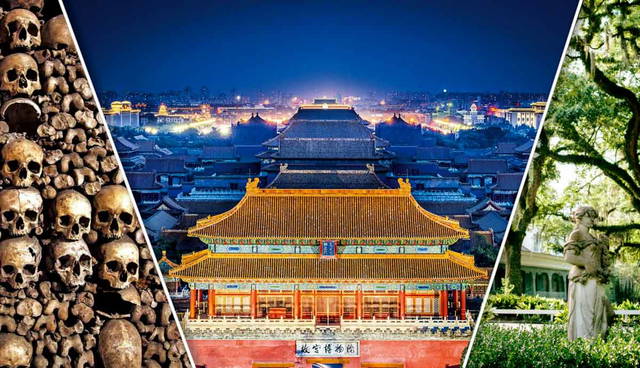
From the cursed tomb of Tutankhamun to the bloody fields of Gettysburg, real tragedies have left these famous landmarks haunted.

Download Free Historical Maps
for Students, Classrooms & More!
High-Quality, Printable Cartographic Resources
View MapsReligion
View All Posts
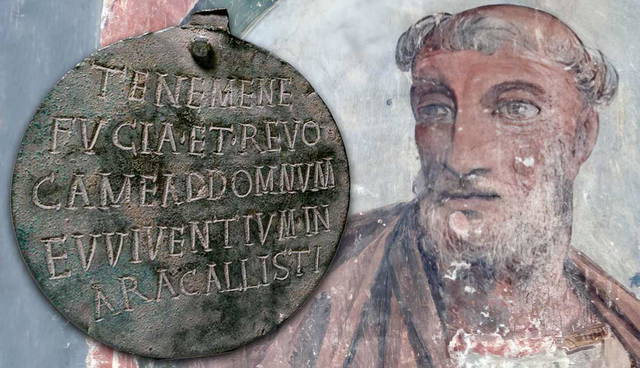
From slave to convict to pope, Callixtus I championed radical forgiveness, challenged social and religious norms, and forever changed the early Christian Church through mercy.
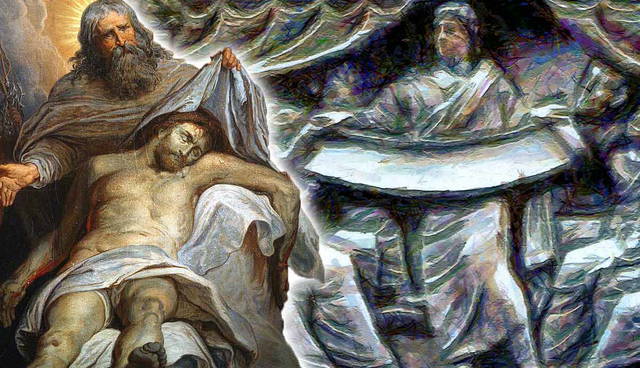
Marcion transformed from a wealthy Christian patron to an infamous heretic, challenging biblical orthodoxy and inadvertently inspiring the first Christian canon.
Stories
View All Posts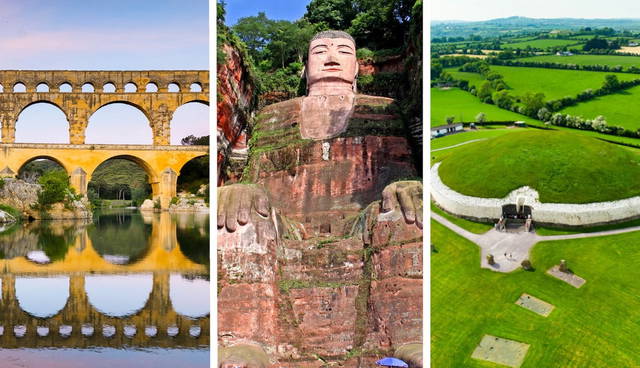
All but one of the so-called Seven Wonders of the Ancient World disappeared long ago, but you can still visit these lesser-known ancient wonders.
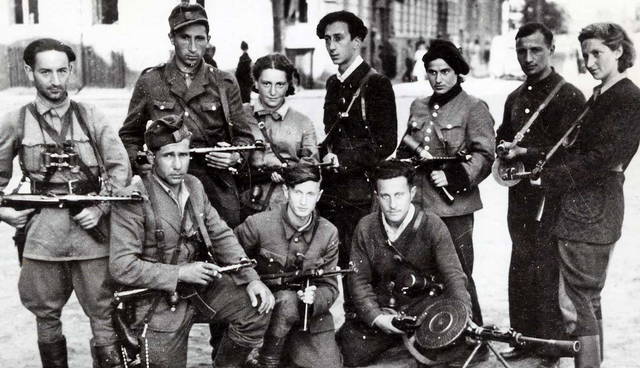
During World War II, both the Allied and Axis powers used special forces units to accomplish specific tasks. What are some lesser-known special forces?