HomeAncient History
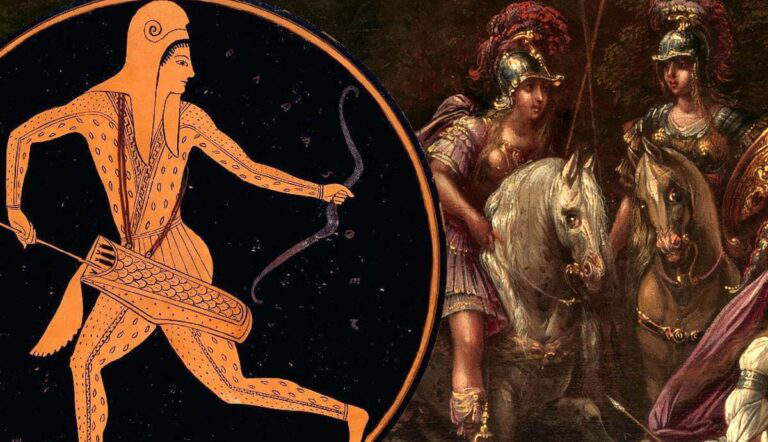
The Amazon warrior women of Greek myth have long been considered legendary, but archaeological and DNA evidence reveals their real history.
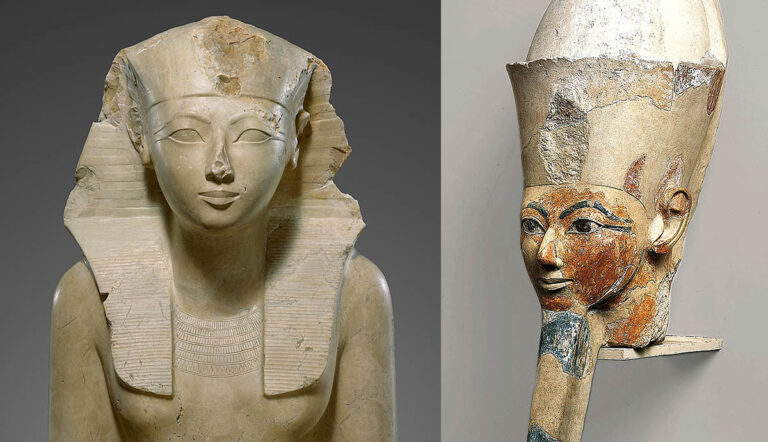
Queen Hatshepsut was the longest reigning female pharaoh in ancient Egypt’s history. How did she do it?

If you were in Rome for the inaugural games of the Colosseum, what kinds of spectacles and entertainment could you expect to see?
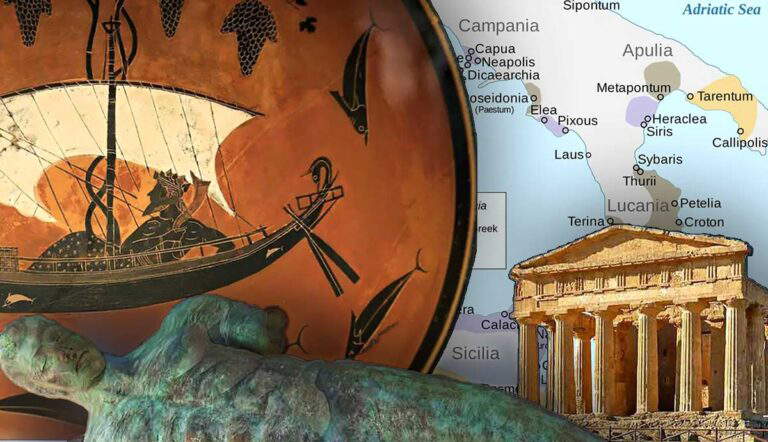
Greek expansion and colonization reshaped ancient Italy and Sicily as Greek customs merged with local practices, influencing trade, agriculture, and religion.
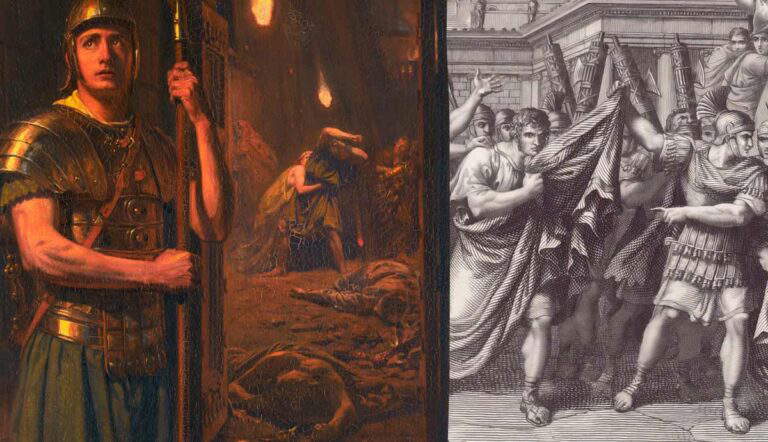
Rome was responsible for many military innovations that supported their vast empire. One of the most chilling was the speculatores, the original spies.
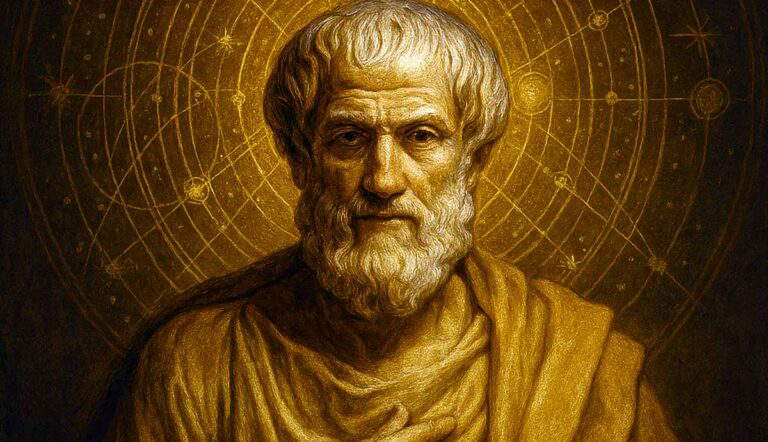
Beyond his philosophy, Aristotle influenced the world for centuries by shaping a conqueror and studying the natural world.
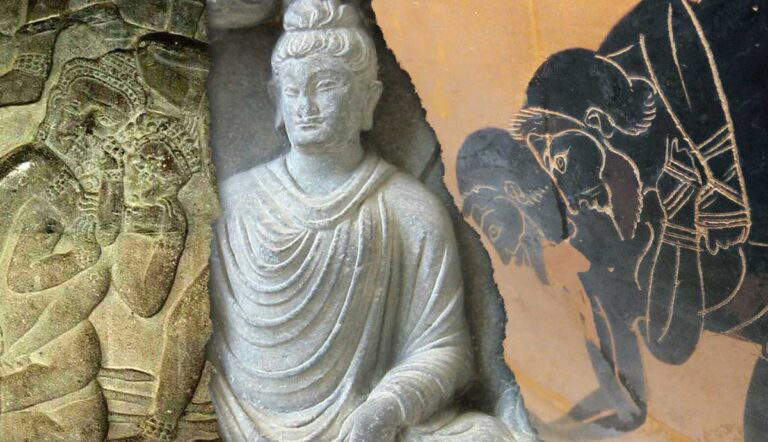
Through the conquests of Alexander the Great and the spread of Buddhism, Greek culture influenced combat sports in the East.
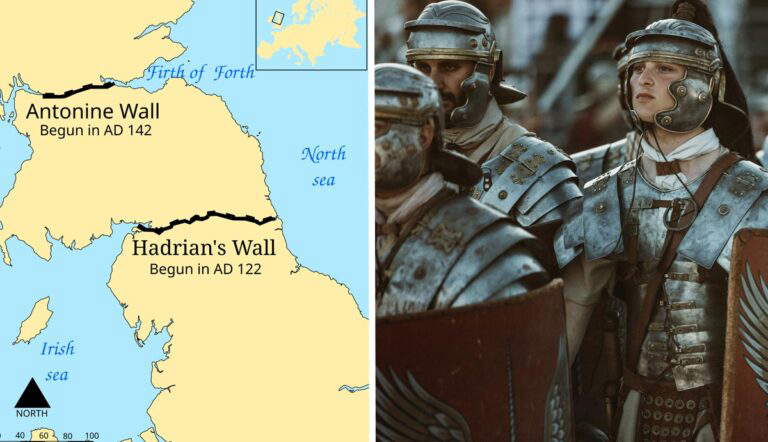
The Antonine Wall, Rome’s northernmost defensive wall, was abandoned after only two decades. Why could it not effectively protect the frontier of Roman Britain?