




Jason Whitmarsh

@jason-whitmarsh
Jason S. Whitmarsh is a professor of Humanities at St. Johns River State College in northeast Florida, teaching introductory courses and period courses focusing on Greek & Roman eras. He holds an MA in Humanities from Florida State University with a specialization in Classics. His areas of focus include Egypt, particularly the 18th dynasty, Greece and the Hellenistic Age, and late Republican Rome and the early Roman Empire.
Education
MA Humanities — Florida State University, 2005
BA History — University of North Florida, 2002
Areas of Expertise
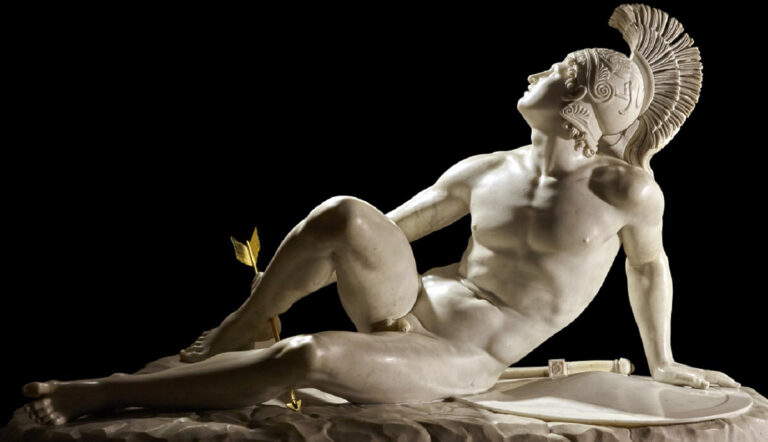
The Legend of Achilles’ Heel Derived from the Epic Poem “The Achilleid”
The legend that Achilles could only die by being struck in his “Achilles heel” derived not from Homer or even Greek mythology, but from the Roman poet Statius.
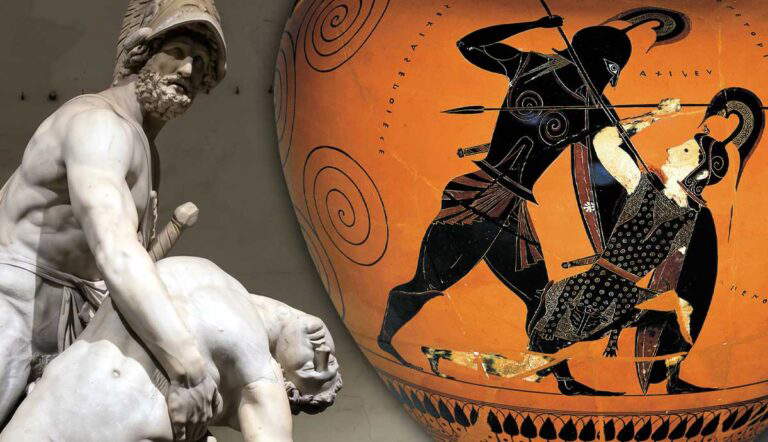
The Death of Achilles in the Lost Sequel to the Iliad
Perhaps the most interesting lost poem of the Trojan Cycle, the Aethiopis focuses on Achilles’ death, providing insight into Greek ideals of honor and respect.
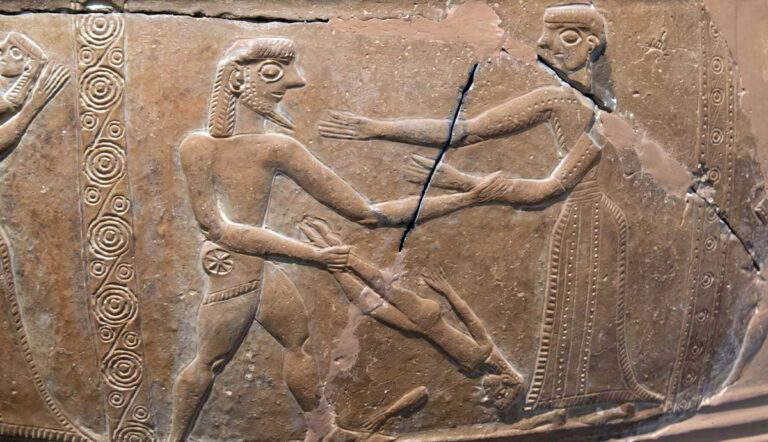
How Odysseus Won the Trojan War in the Little Iliad
The story of the famous Trojan Horse occurs neither in the Iliad nor the Odyssey, but in a poem set between the two Homeric stories, the so-called Little Iliad.
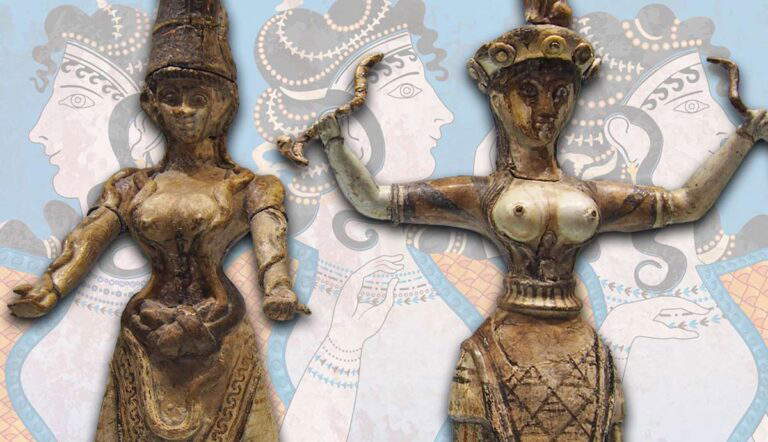
How Sir Arthur Evans Misinterpreted the Complex Deities of Ancient Minoan Crete
The pre-Greek Minoan civilization of Crete remains an enigma, but archaeological evidence suggests that it was principally a goddess-worshiping culture.
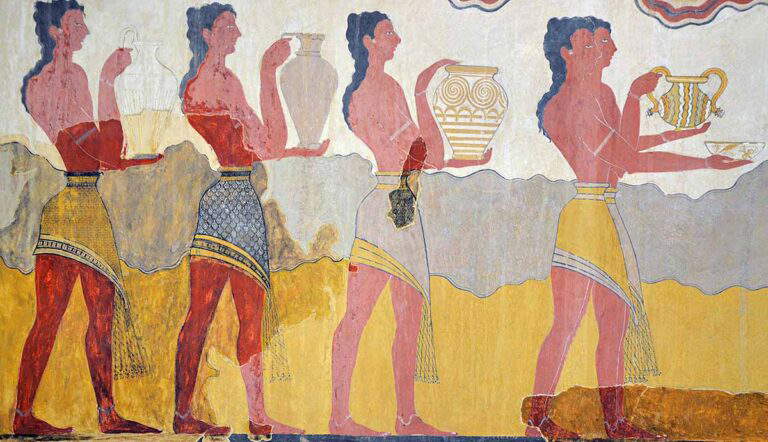
The Dark History of Human Sacrifice in Minoan Crete
Archaeology suggests that human sacrifice may have been conducted among the Minoans, but was it connected to the Minotaur and Minoan bull leaping?
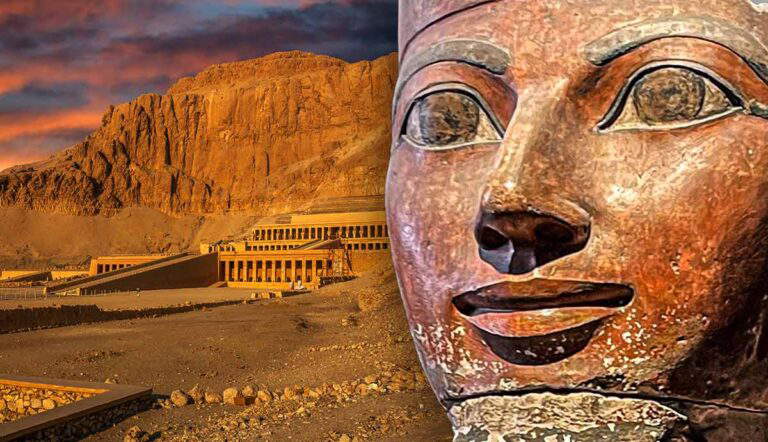
The Story of Hatshepsut, Egypt’s Female Pharaoh That Was Forgotten
Hatshepsut was Egypt’s most powerful female pharaoh, but her reign was erased from history. Nevertheless, her legacy ensured Egypt endured for centuries beyond her death.
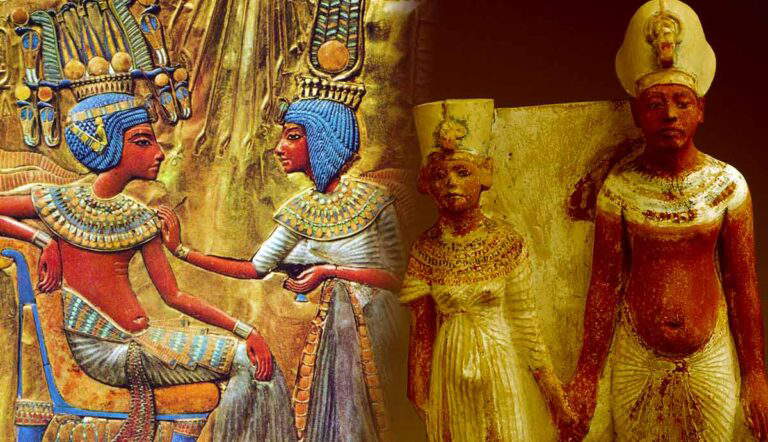
Brother-Sister Marriages in Ancient Egypt
Marriage between brother and sister was common among Egyptian royalty. It kept bloodlines pure and reflected the divine marriage of the gods, Osiris and Isis.

Mummified Cats: Companion Cats and Feline Worship in Ancient Egypt
Cats were so revered in ancient Egypt that they were even mummified to accompany people into the afterlife. Cats were pets, protectors, and eternal companions.

Eye of Horus Symbol: Meaning & Myth
The Eye of Horus—not to be confused with the Eye of Ra—was a powerful symbol of royal protection and kingship in ancient Egypt.