




Matthew Powell
@matthew-powell
Matthew Powell, an award-winning historian of slavery and southern history, has worked as a Park Ranger with the National Park Service in Montana and Tennessee. He served as the Executive Director of the La Pointe – Krebs House and Museum in Pascagoula, MS. He is currently an AP (Advanced Placement) history teacher in Arizona. As a historian, Matthew has published several articles in peer-reviewed academic journals, lectured at several prestigious institutions including Johns Hopkins, appeared on PBS, and as a guest on the Ben Franklin’s World Podcast. In 2020, he earned the John W. Odom Memorial Award for his research on slavery and his contribution to the field of history.
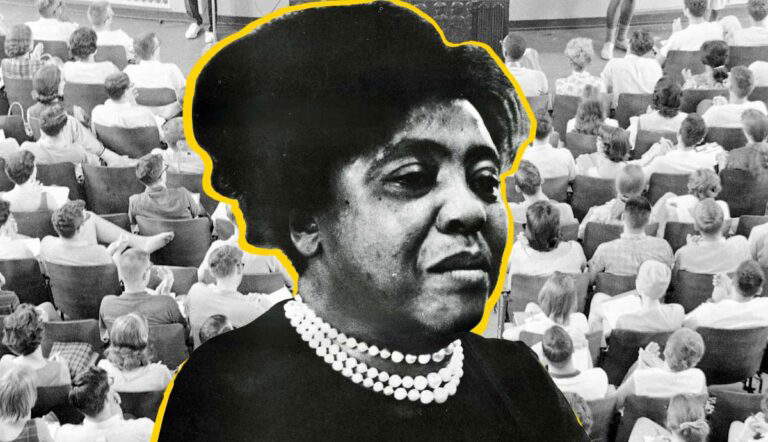
7 Facts About Fannie Lou Hamer, the Fearless Civil Rights Activist
Fannie Lou Hamer was a civil rights activist who championed voting rights, co-founded the Mississippi Freedom Democratic Party, and inspired generations.
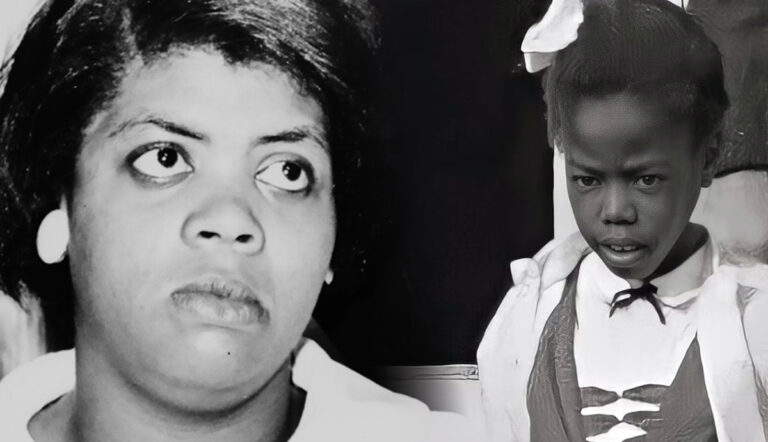
How Brown v. Board of Education Declared Segregated Schools Unequal
Brown v. Board of Education declared segregated schools unequal and ignited a nationwide push for civil rights that reshaped American society.
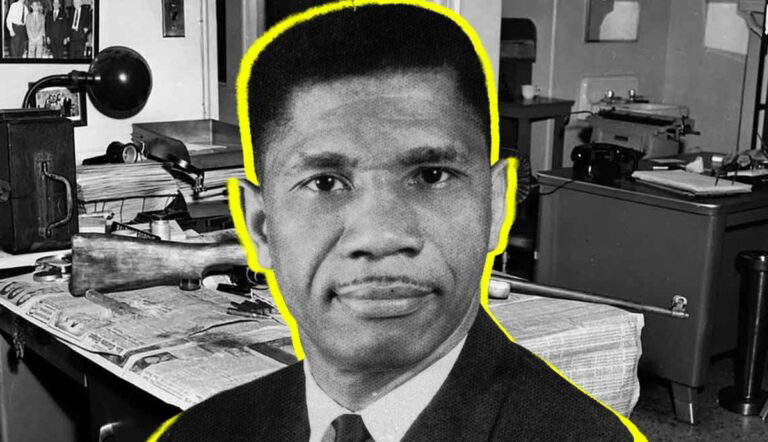
7 Facts About Medgar Evers, the Civil Rights Activist Who Gave His Life for Equality
Medgar Evers was an important Civil Rights figure who gave up his life for equality.
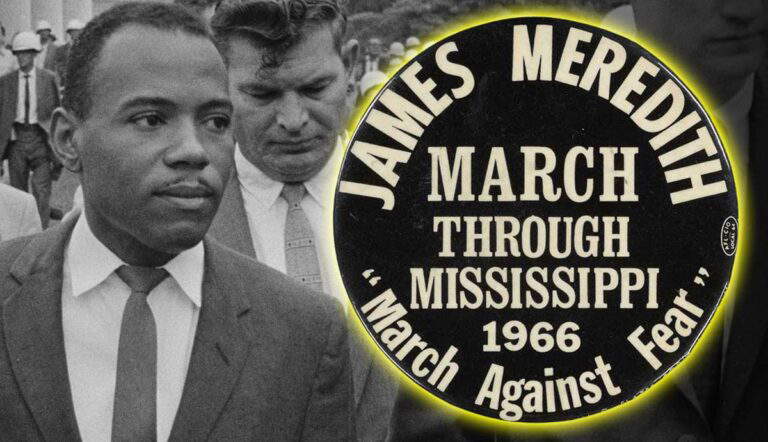
7 Key Facts About James Meredith, the Civil Rights Hero
James Meredith attended a white university at a time when an African American doing so was unthinkable.
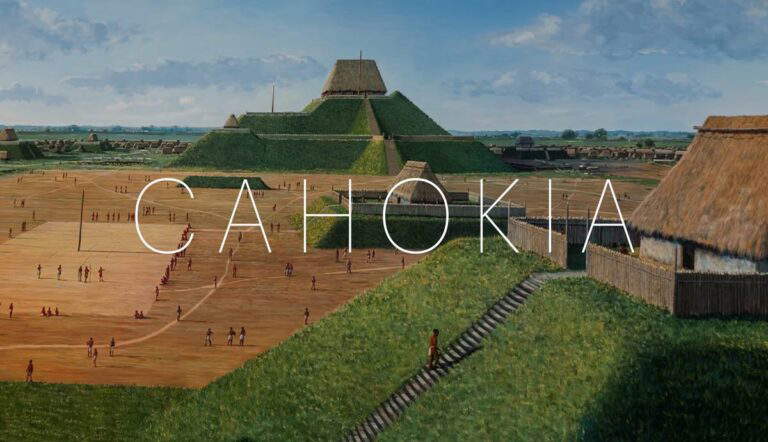
The Story of Cahokia, the Largest Native American City North of Mexico
Cahokia was the largest pre-Columbian city north of present-day Mexico and the center of trade in North America until its decline in the 13th century.
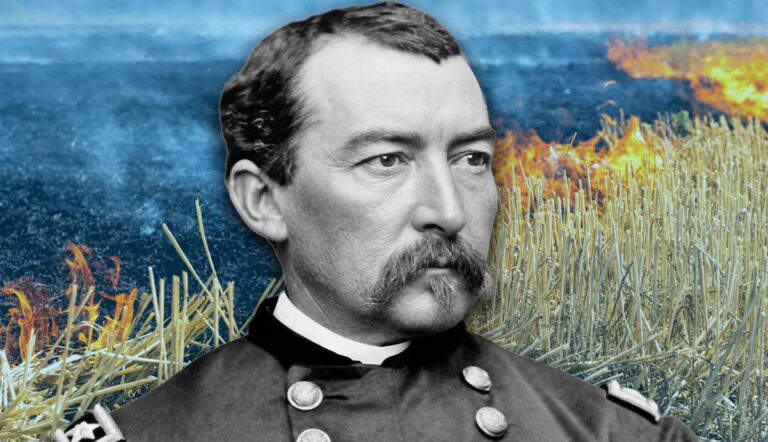
Philip Sheridan, the Union General Known for His Scorched Earth Strategy
Philip Sheridan was a general known for his brutal tactics in the US Civil War and later campaigns that helped shape the American West.
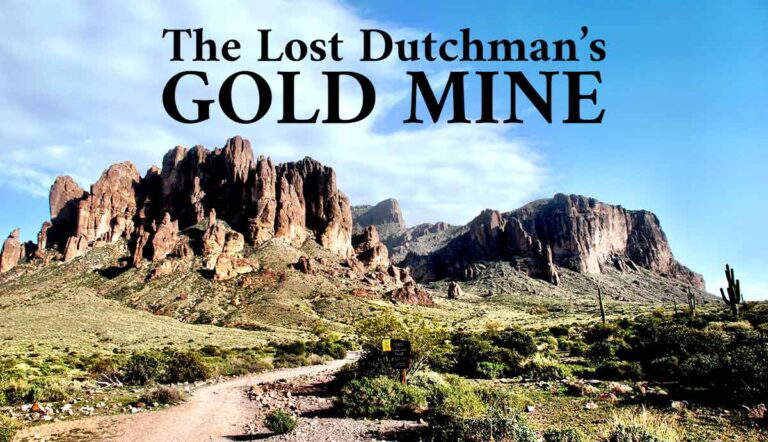
Treasure or Folklore? The Legend of the Lost Dutchman’s Gold Mine
The Lost Dutchman’s Gold Mine blends Native legend, frontier history, and deadly treasure hunts into one of America’s most lasting mysteries.
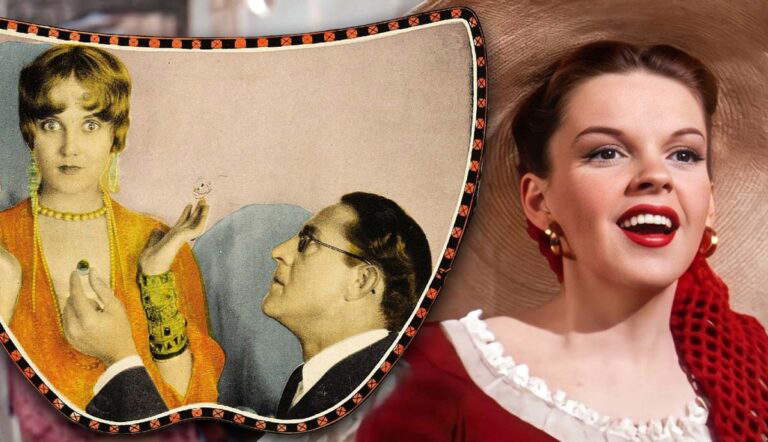
How Technicolor Revolutionized American Cinema
Technicolor transformed storytelling, created visual icons, and forever changed how audiences experienced the magic of the movies.
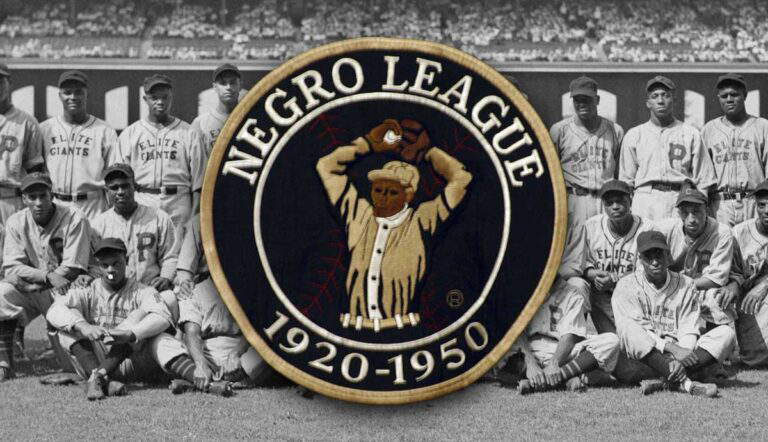
How the Negro Leagues Redefined Baseball and Aided in the Fight for Equality
Major League Baseball banned Black athletes in 1880. Shut out of MLB games for over 60 years, these athletes built their own league, changing the game forever.
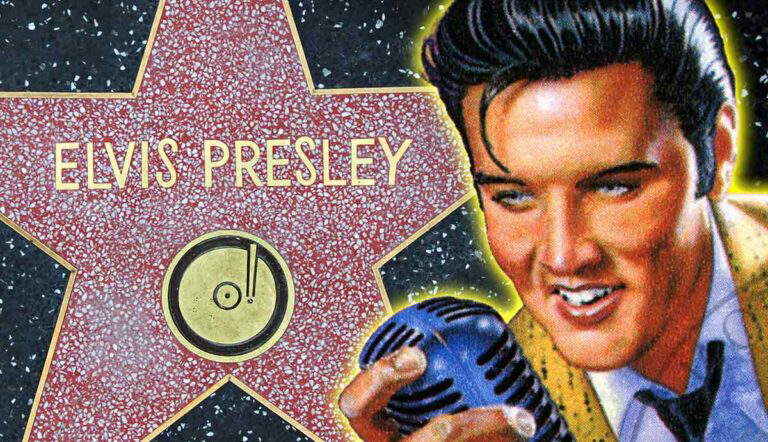
How Elvis Presley Rose From Poverty to the King of Rock and Roll
Elvis Presley was one of the most important musicians of the 20th century. He is often credited with being one of the fathers of modern Rock and Roll music.
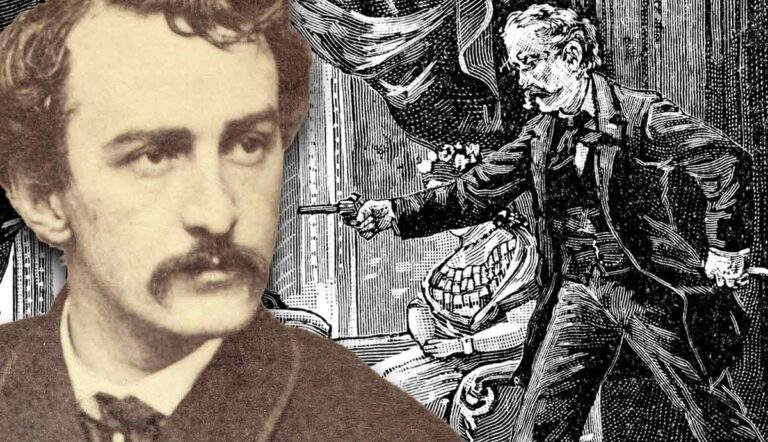
7 Key Facts About John Wilkes Booth, the Man Who Killed Lincoln
John Wilkes Booth, a theater actor, is best known for assassinating President Abraham Lincoln, forever changing America’s course.
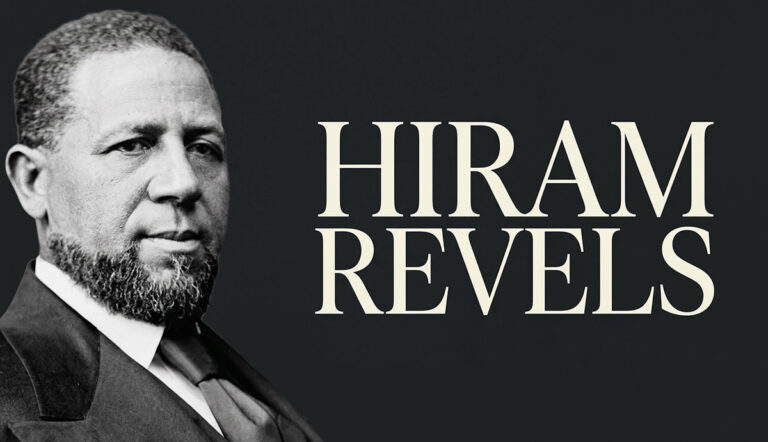
How Hiram Revels Became America’s First Black Senator in 1870
Hiram Revels became the first Black United States Senator in 1870, leading through education, faith, and dignity during one of the most fragile moments in American history.