





Mirjana is a student of Literature with a strong focus on connections of Literature with Philosophy, History of Art, Music, and Psychology. Her dream is to develop her knowledge of these subjects, along with Religion. Mirjana aims to bring to others the understanding of how deeply connected music (with an emphasis on classical music) and literature are, as this field is not so researched. She also authorizes short stories and essays published in Serbian magazines. In her free time, she plays piano, learns many languages, and writes movie scripts.
Education
BA General Literature and Theory of Literature, in progress — University of Belgrade
Areas of Expertise
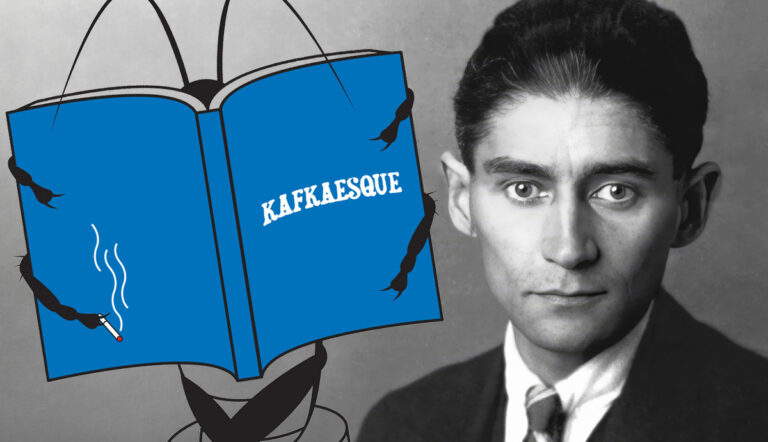
How Kafka’s Metamorphosis Explains Human Alienation
Kafka’s "The Metamorphosis" is a story about a man who turns into a bug. It is a philosophical study of one’s alienation and isolation.
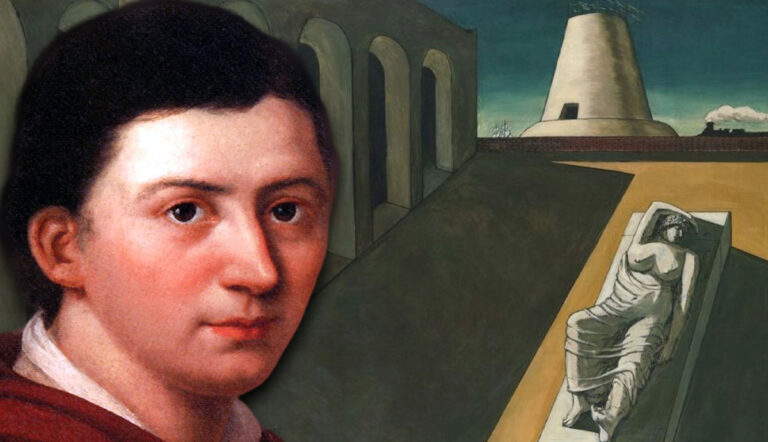
Friedrich von Schlegel, the Idealist Who Wanted to Invent a New Mythology
To discover the philosophical concept of a new mythology, we will dive into the mind of a Romantic and Philosopher of Idealism — Friedrich von Schlegel.
Is Life Meaningless? Existentialism in the Bible’s ‘Ecclesiastes’
If we come from dust and to dust we return, if everything is vanity, what is the meaning of life?
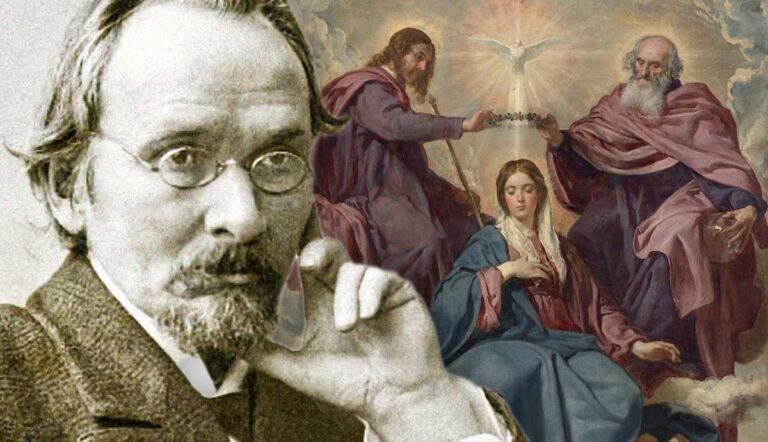
Was Vasily Rozanov Russia’s Most Underappreciated Theological Thinker?
Many people are still unaware of Russia’s most important theological thinkers. This article explores the life and work of the religious philosopher Vasily Rozanov.
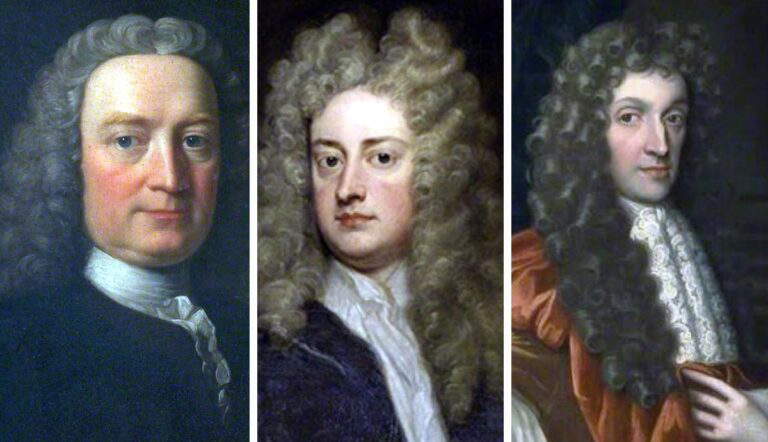
How Locke and His Heirs Redefined Beauty (Aesthetic Sense)
In the 18th century, British empiricists, under the influence of Locke, turned to subjectivism and coined the term aesthetic sense.

Is This the Best of All Possible Worlds? Leibniz vs. Voltaire
What does it mean for this world to be the “best possible world,” even with the obvious existence of evil? Leibniz and Voltaire weigh in.

Camus’ “The Myth of Sisyphus”: How to Find Happiness
“One must imagine Sisyphus happy.” This is the last line of Camus’ famous essay on absurdity. Let us explore this idea that contradicts Greek myth.