Summary
- Homer was probably a poet from a Greek island such as Chios in the 8th century BC, and is credited with writing the epic poems the Iliad and the Odyssey.
- While ancient tradition considered Homer a blind male poet, scholars debate whether he was one person or a collective of writers, and what other works can be attributed to him.
- Homer tells a story set in the Late Bronze Age, 400 years before he lived, and mixes in elements of Greek mythology and his own contemporary culture.
- He both contributes to an epic Greek foundation myth and delivers didactic, self-contained moralizing stories and allegories.
- Homer was celebrated by the ancient Greeks themselves and has greatly influenced Western literary tradition.
Homer is known as the ancient Greek writer behind the Iliad and the Odyssey, two of the most iconic poems of all time. Through these epic poems, he explores key events in the Trojan War and takes us on Odysseus’ long journey to return home from the war, battling sea monsters, temptresses, beasts, and more along the way. But who was the real man behind these legendary stories? Was he even a single man? We explore the identity of Homer through the few facts preserved about his supposed life.
Quick Facts About Homer
| Fact | Details |
|---|---|
| Name | Homer |
| Notable Works | The Iliad, The Odyssey |
| Period | Probably born at the beginning of the 8th century BC |
| Language/Dialect | Homeric Greek (a literary blend of Ionic with Aeolic elements) |
| Authorship Debate | Scholars disagree whether Homer was a single individual, a tradition, or a collective of poets |
| Blindness Tradition | Ancient tradition holds that Homer was blind |
| Cultural Impact | Central to Greek education and culture, Homer’s epics have deeply shaped Western literary tradition, inspiring authors like Virgil, Dante, James Joyce, and more. |
Homer Was Probably an 8th-century BC Greek Poet
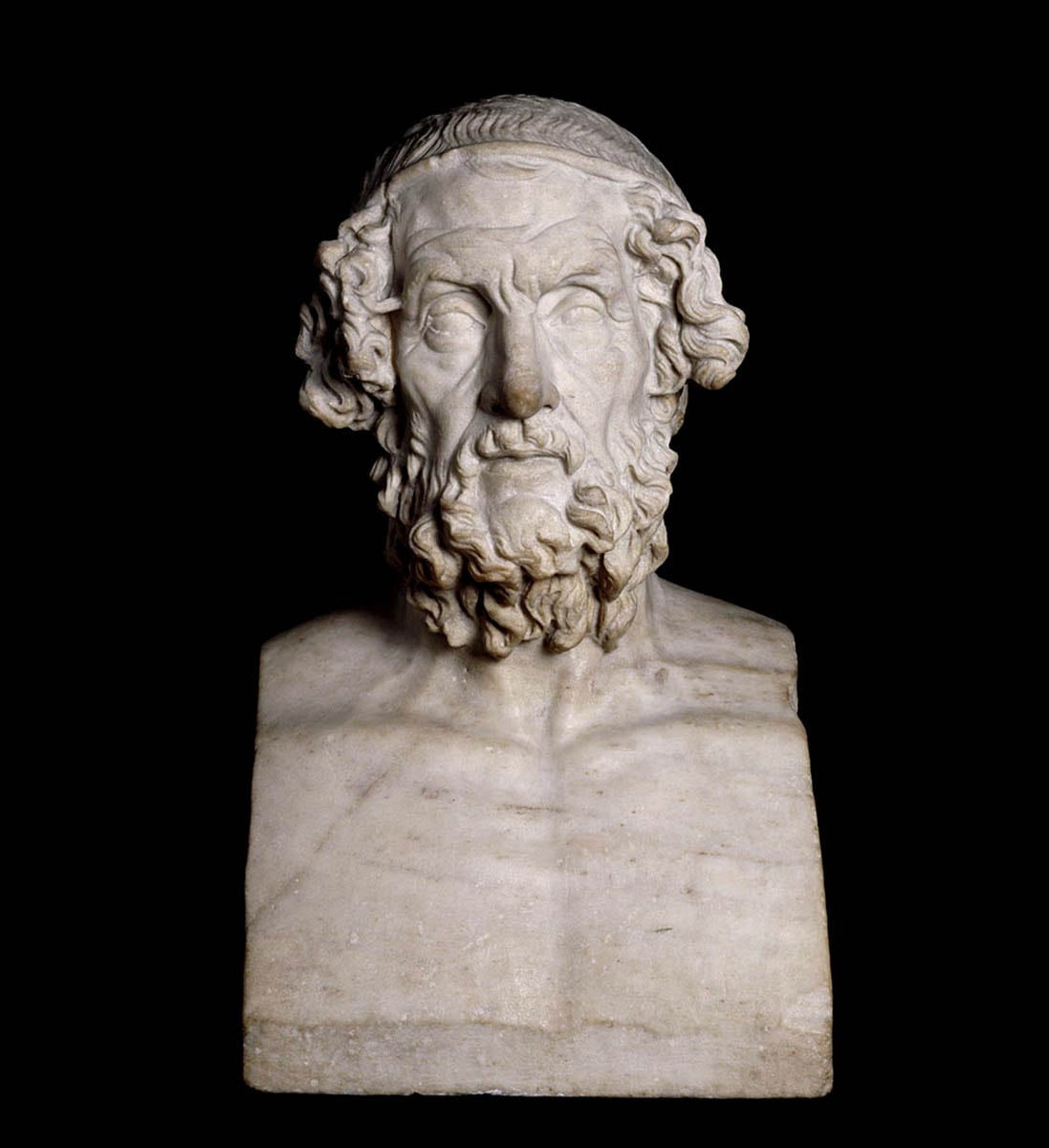
Over the centuries, historians have speculated about Homer’s identity. Was he even a man at all, or was he a woman? Perhaps he was even a collective or lineage of writers? Nevertheless, it was widely accepted in antiquity that Homer was a single, male mind, due to the consistency of the writing style in both the Iliad and the Odyssey. Homer, or at least the idea of him, was well respected by Greeks in the centuries that followed. He is mentioned by authors such as Herodotus, Thucydides, and Aristotle.
Both the Iliad and Odyssey date from roughly the late 8th or early 7th century BC, a time when stories previously transmitted orally were being written down. Homer did not invent the epic tale he wrote, which was also recorded by other authors in other epics. There are eight works by various authors in the ancient Epic Cycle about the Trojan War. Rather, Homer “edited” existing stories into coherent compositions, no doubt with some additions of his own.
Many historians believe Homer was blind, due to his resemblance to a character in the Odyssey, a blind poet/minstrel called Demodocus. It has been suggested that this was a self-representation. It also feeds the suggestion that Homer did not write down his epics, but rather composed and dictated them to others.
Homer Was From a Greek Island

A Greek writer in the second century AD named Lucian imagined meeting Homer in a satirical text. This fictional Homer told Lucian he was from the Aegean Island of Chios, or perhaps from Smyrna or Colophon. While Lucian’s text was tongue-in-cheek, scholars agree that Homer most likely did originate from a similar area, due to the dialect in his original poems.
In the 6th century BC, a group of performing bards from Chios called themselves the Homeridae, or “children of Homer.” They were a professional group of bards who traveled and recited Homer’s poems.
Other traditions exist. The Greek historian Ephorus (4th century BC) said that Homer studied with the bard Phemius on Ithaca and was born in Cyme. Philochorus (3rd century BC) said that Homer was born in Argos, while others said Pylos or even Athens. While none of these origin stories ever won favor. Most agreed that Homer died on Ios.
A theory from the reign of the emperor Hadrian (2nd century AD) was that Homer was the grandson of Odysseus through his son Telemachus, making him from Ithaca.
Homer Mixed Myth and Historical Periods
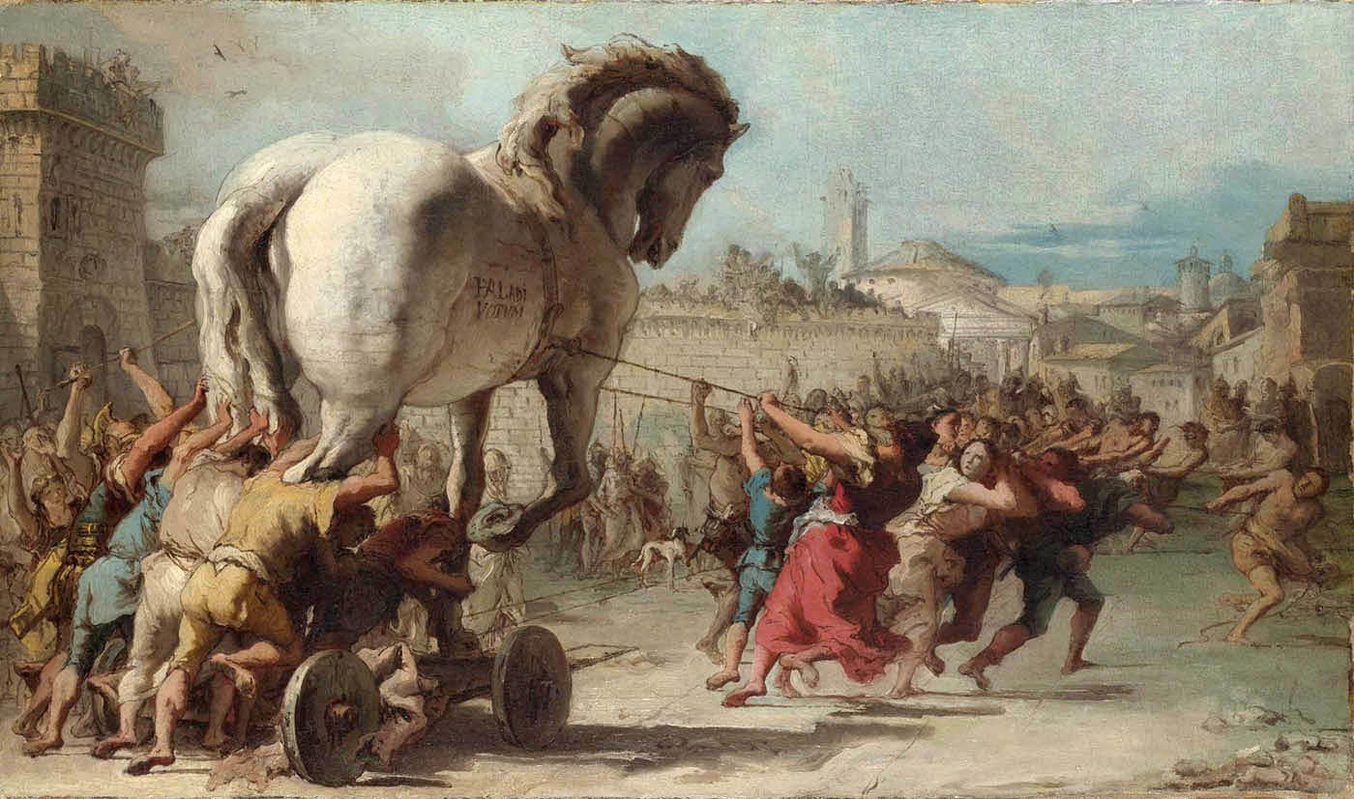
While Homer creates a detailed and compelling world in his poems, it is not a consistent one. He mixes the fantastical, legendary, and historical. The mortal and divine meet throughout his works, with the gods intervening in human events. Eratosthenes (3rd century BC) considered Homer’s Odyssey to contain so many fantastical elements that trying to map Odysseus’ journey was a fruitless endeavor. He quipped that “you will find the scene of the wanderings of Odysseus when you find the cobbler who sewed up the back of the winds.”
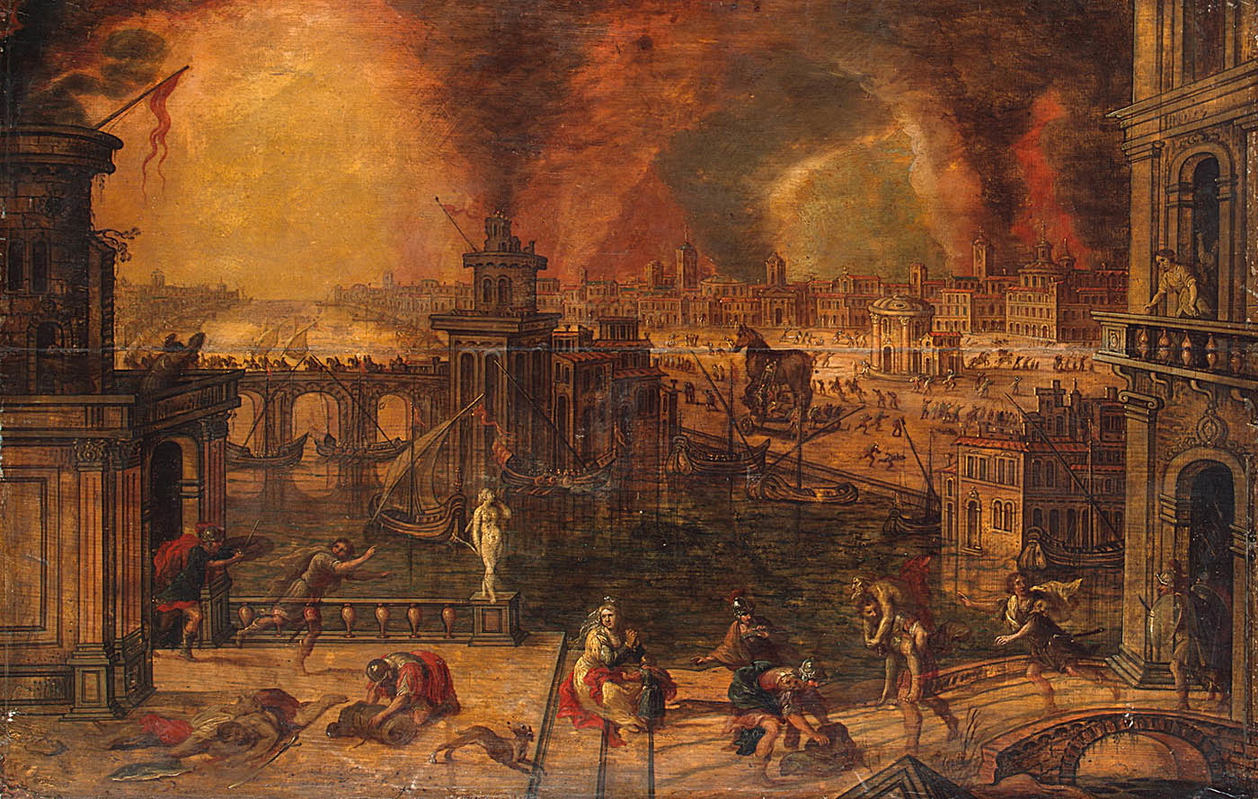
Homer also mixes his historical periods. According to Homer, the Trojan War, if it was real, happened in the Late Bronze Age, around 400 years before Homer was writing. Homer described the city of Troy with incredible detail, writing about its monumental architecture and grand palaces with lavish and floral language. Historians have compared Homer’s city of Troy to the architecture of the Mycenaean Greeks, which dates from around 1200 BC. Excavations at Hislarik, which has been identified as Troy, show major destruction in the city around this time.
But Homer also describes things that belong to his own, Iron Age, Greece. For example, the warriors are cremated, an Iron Age practice, rather than buried, a Bronze Age practice. While warriors are sometimes described as wielding typical Bronze Age weapons, they are just as often described using shields and weapons from the Iron Age. Homer also describes temples being built to worship the gods, a practice that began in the 8th century BC.
Homer Wrote Allegorical Stories into his Overarching Epic
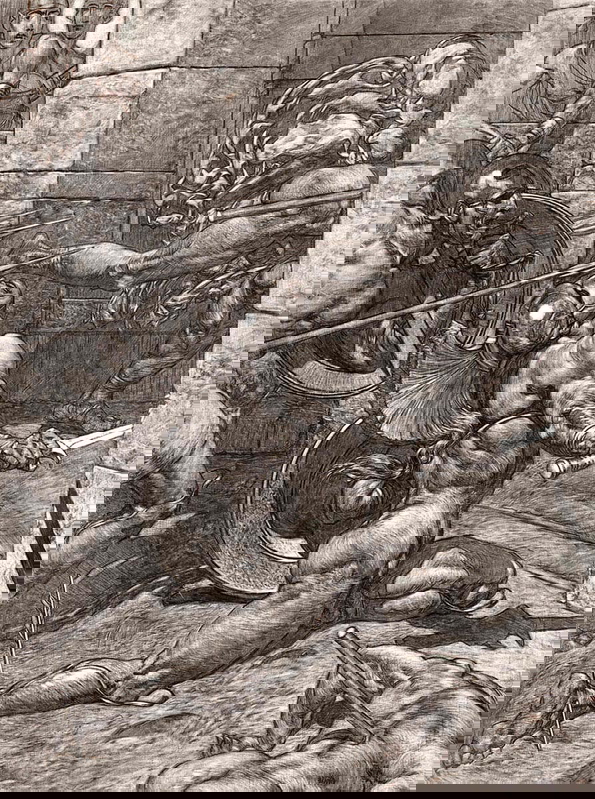
While Homer contributes to a major overarching epic, he also includes moralizing stories and allegories within his work, which may be the strongest representation of his personal creativity and contribution.
Xenia, or guest friendship, is a common theme throughout the Trojan War. The war started because Paris of Troy abused the hospitality of his host, Menaleus, king of Sparta, by abducting his wife Helen, though this episode does not appear in the Iliad. But Homer returns to this theme when the Greek Diomedes and the Lycian Glaucus meet on the battlefield. They realize that their grandfathers knew each other, so they stop fighting and exchange armor to honor their hereditary xenia.
Hubris is another significant theme Homer explores. Often, in hubris, heroes gloat over their fallen enemies only to hasten their own deaths, often with the intervention of the divine. Agamemnon, the leader of the Greek forces, displays hubris when he takes Achilles‘ rightfully earned war booty, breaking the Greek code of time and insulting Achilles’ honor. This causes Achilles to stop fighting, resulting in many Greek deaths.
Achilles is then forced to choose between his personal pride and the greater good of the Greek cause. Achilles is also forced to choose between eternal glory and certain death at Troy, or a long life in obscurity. Homer captures this in a literary allegory (ekphrasis) when he describes the shield of Achilles, decorated with juxtaposing scenes of war and peaceful prosperity. This is a reminder that while Homer is telling a story of war, he understood that life is about more than conflict.