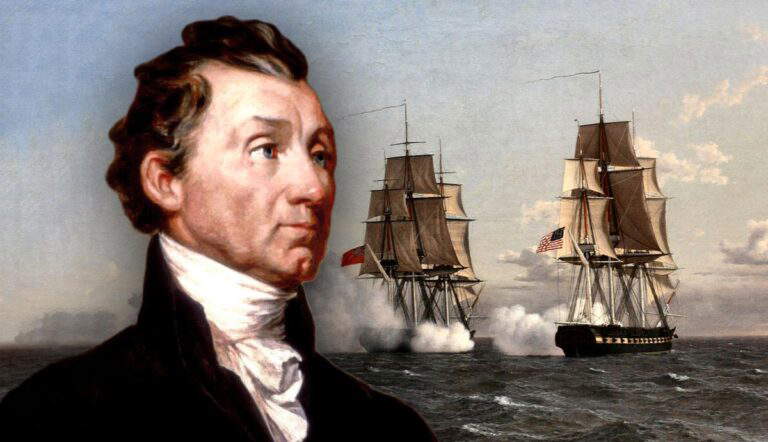
The Monroe Doctrine, initiated in 1823, represents the United States’ foreign policy course to reduce European influence in the Western hemisphere.
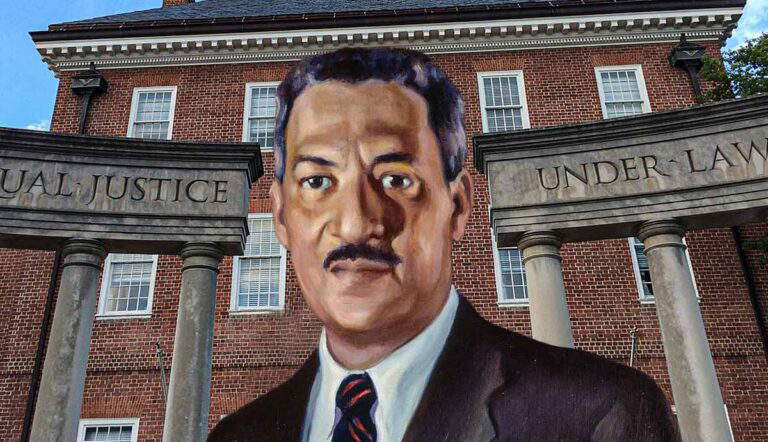
Thurgood Marshall, “Mr. Civil Rights,” was a man of many firsts. Who was he, and how did he become so influential?
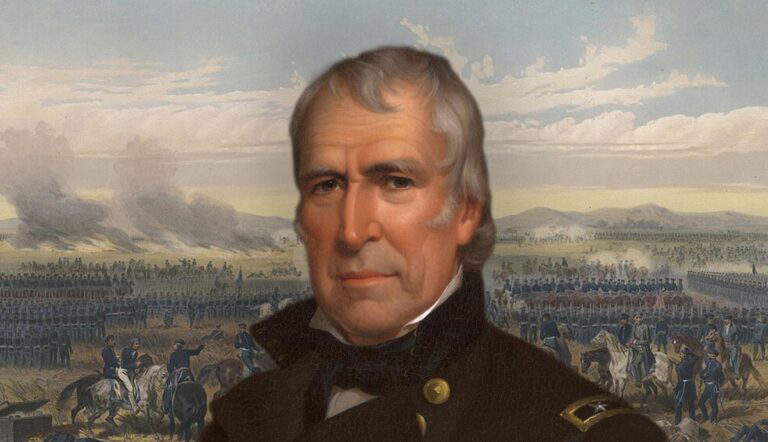
Zachary Taylor’s battlefield successes led him to the White House, but his presidency was cut short by his death after 16 months in office.
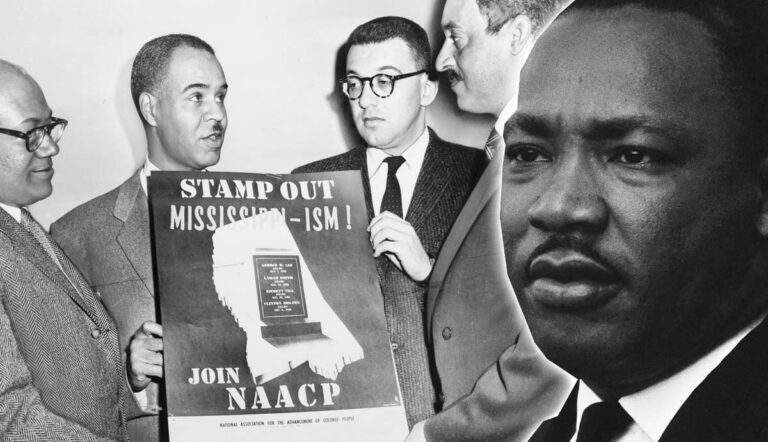
The NAACP, SCLC, and SNCC all had different approaches to Civil Rights. Each leaving a lasting legacy in the fight for equality and justice.
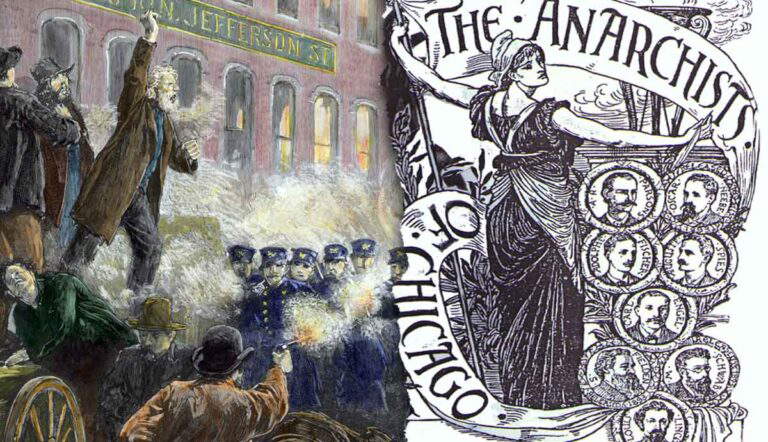
The 1886 Haymarket Affair in Chicago was a pivotal moment in labor history, leading to the establishment of International Workers’ Day.


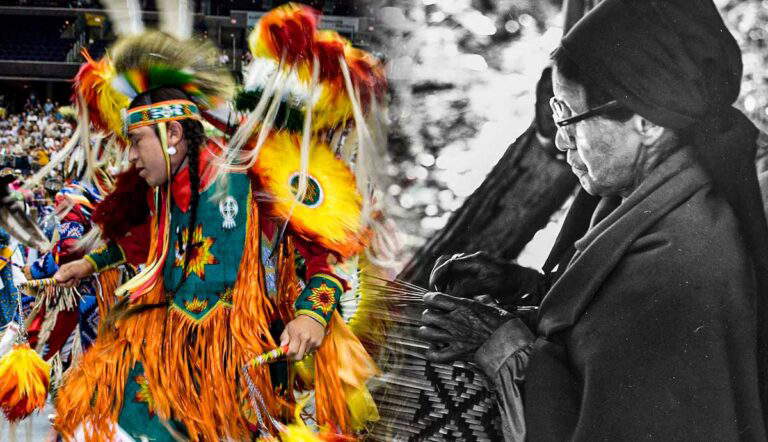
Despite widespread attempts to wipe out Indigenous culture throughout history, America’s Indigenous people protect and share their culture in public ways.
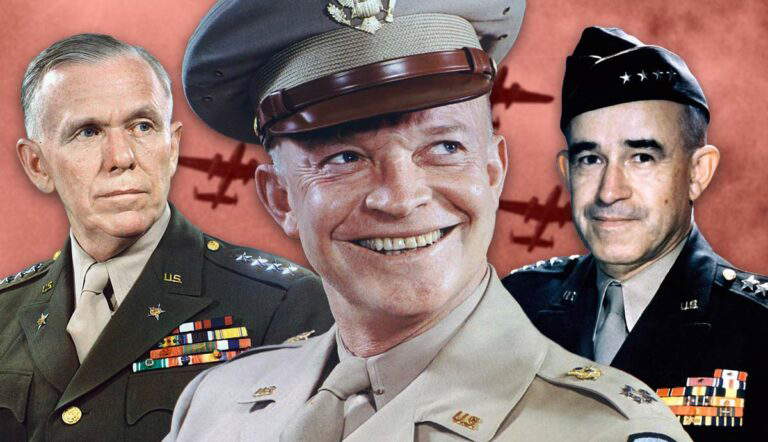
Ranking the top seven American WWII generals by their global impact, exploring how their leadership on the front lines and in the halls of power secured an Allied victory and built the foundations of the postwar world.
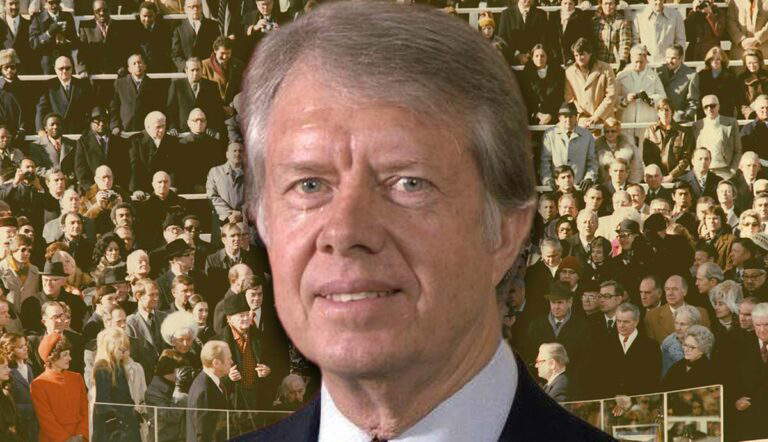
Jimmy Carter was a peanut farmer, Naval Academy graduate, governor, and the 39th president, whose focus on human rights and peace shaped his legacy.